
Use this spring gardening checklist for a pretty landscape all year
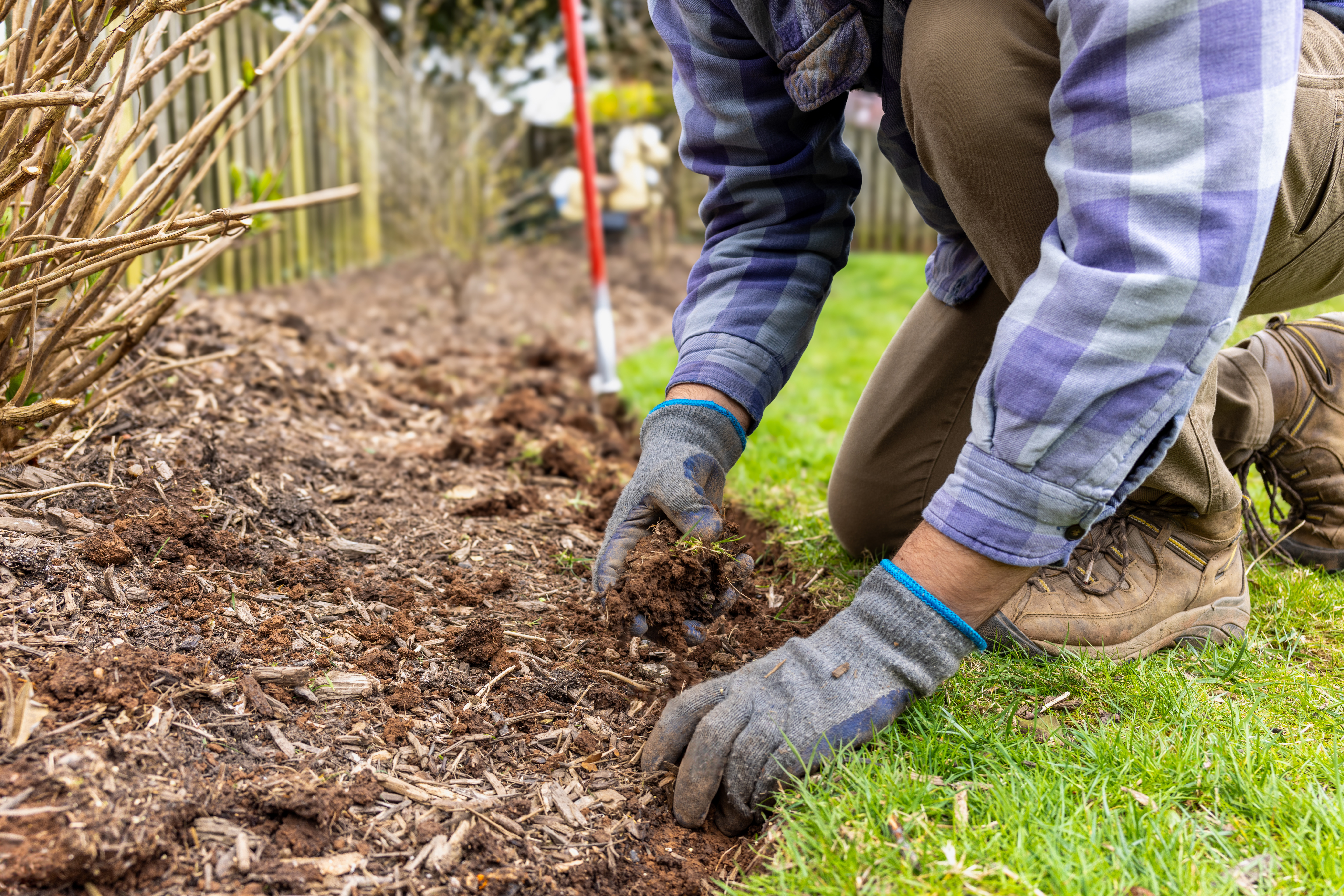
Just as you give your house a good spring cleaning to freshen it up after a long winter, you can take a similar approach to getting your garden in shape for the warmer months. Tackle all your outdoor tasks like a pro with this spring gardening checklist.
Early spring
Though the official first day of spring is in March, gardeners often go by the weather to decide that spring has started. Think of early spring as the time when temperatures begin trending upward and stay consistently above freezing.
1. Clean up flowerbeds.
Clear away dead leaves or any other winter debris from the soil surfaces where you’re planning to plant annual flowers and vegetables. Remove protective winter mulch from around perennials and ornamental grasses.
2. Divide your perennials.
A good time to divide many perennials is just before spring growth begins. Dividing perennials is a budget-friendly way to add more plants to your garden or to share extras with friends.
3. Add mulch around perennials.
One of the easiest ways to make your yard look polished is to add a fresh layer of mulch around the garden beds. This also helps the soil retain moisture and keeps down weeds.
4. Prune trees and shrubs.
If you didn’t prune in winter, now is the time to trim your fruit trees. Prune before the buds begin to break into bloom, or you'll stress the tree and get a tiny crop (or possibly none).
5. Plant vegetables.
Hardy, cool-season vegetables, like potatoes, artichokes, peas, and some lettuces, germinate best in cool soil, so plant them in early spring, once the soil has thawed.
Mid spring
Halfway through the season, you should start to see your spring landscape take shape, as more and more bulbs, perennials, shrubs, and trees start growing, possibly even blooming.
1. Clean bird feeders.
If you want to leave your bird feeders up year-round, now’s a good time to empty and wash them out.
2. Plant new perennials and cold-hardy annuals.
Freshly planted perennials need a little time to get settled and grow new roots before hot summer weather hits. For some quick garden color, add a few cool-season annuals, like pansies or snapdragons.
3. Add new trees and shrubs.
Plant as soon as the ground is no longer frozen. The earlier you can do this, the better, so your trees and shrubs have enough time to grow new roots before temperatures start getting hot.
Late spring
In late spring, you can start cleaning up flowers that have already bloomed. It's also time to get planting in earnest to fill out your garden.
1. Deadhead flowering bulbs.
Remove spent blossoms from spring-flowering bulbs; this encourages the plants to store energy for next year rather than expend it to make seeds.
2. Shop for summer annuals.
Pick out flats of your favorite summer annuals, like petunias, impatiens, and zinnias. Choose plants that aren’t yet in bloom, because they’ll be stronger.
3. Start warm-season vegetables.
While you’re harvesting the radishes and lettuces you sowed early in the spring, you can transplant seedlings of warm-season crops, like tomatoes, peppers, and all sorts of herbs.
4. Plant summer-blooming bulbs.
While spring-blooming bulbs should be planted in the fall, summer-blooming bulbs, like dahlias and gladiolus, should be planted once there's no more threat of frost.
(Better Homes and Gardens is a magazine and website devoted to ideas and improvement projects for your home and garden, plus recipes and entertaining ideas. Online at www.bhg.com.)
©2026 Dotdash Meredith. All rights reserved. Used with permission. Distributed by Tribune Content Agency, LLC.



























Comments