7 tips for reining in an out-of-control bill
Published in Home and Consumer News
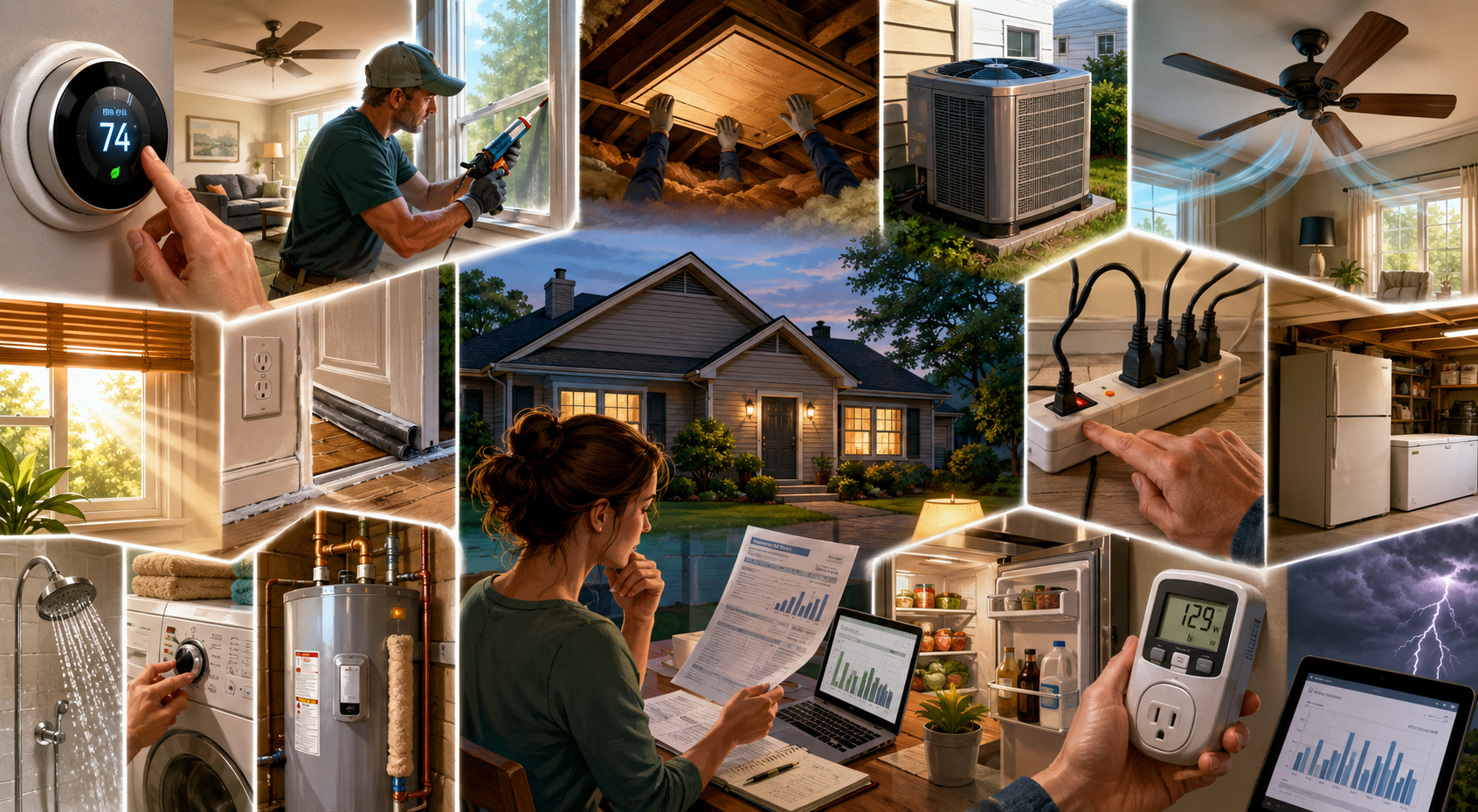
When an electric bill suddenly jumps, it can feel as though the house has developed an expensive habit while nobody was looking. Sometimes the culprit is obvious — a heat wave, a cold snap or guests staying for several weeks. Other times, seemingly small changes in everyday energy use quietly add up.
The good news is that lowering a power bill does not necessarily require replacing every appliance or spending thousands of dollars on home improvements. Start with the biggest energy users, eliminate waste and make inexpensive changes before considering costly upgrades.
Here are seven practical ways to rein in an out-of-control electric bill.
1. Start with the thermostat
Heating and air conditioning are among the biggest energy users in most homes, making the thermostat the first place to look when an electric bill gets out of hand.
During hot weather, resist the temptation to keep the house excessively cold. A small thermostat adjustment can reduce how long the air conditioner runs each day. Ceiling and portable fans can make occupants feel more comfortable without actually lowering the room temperature, allowing the thermostat to remain a little higher.
In winter, reverse the strategy. Lower the thermostat when everyone is asleep or away from home rather than heating an empty house to the same temperature around the clock.
A programmable or smart thermostat can automate those changes, but even an inexpensive traditional thermostat works if someone remembers to adjust it.
Avoid dramatic temperature changes intended to make the house cool or heat faster. Setting an air conditioner to 60 degrees does not ordinarily make it cool the house faster than setting it to 75. It merely tells the system to keep running longer.
2. Find the air leaks
You may be paying to condition air that promptly leaves the house.
Check exterior doors and windows for drafts, damaged weatherstripping and gaps. Caulk small cracks around window frames and replace worn door sweeps. Do not overlook attic access panels, electrical outlets on exterior walls and openings around pipes.
Window coverings also matter. During summer, close blinds or curtains where strong sunlight pours through windows, particularly during the hottest part of the afternoon. In winter, open sunny windows during the day to capture free heat and close coverings after sunset.
None of these measures is particularly glamorous, but reducing unwanted heat transfer can mean your heating and cooling system runs less frequently.
Before replacing windows throughout the house, however, begin with inexpensive weatherization. A few dollars of weatherstripping may solve a problem that otherwise looks as though it requires a major renovation.
3. Make your air conditioner’s job easier
An air conditioner that struggles to move air has to work harder and longer.
Check the HVAC filter regularly and replace or clean it according to the manufacturer's recommendations. A filter clogged with dust and pet hair can restrict airflow.
Keep furniture, rugs and other objects from blocking supply and return vents. Outside, make sure vegetation and debris are not crowding the air-conditioning unit.
Ceiling fans can also help occupants feel cooler, but remember that fans cool people, not rooms. Turn them off when everyone leaves.
If an HVAC system runs almost continuously, produces unusually warm air or suddenly consumes considerably more electricity than it did under similar weather conditions, the problem may be mechanical. That is a good time to have the system inspected rather than accepting the higher bill as normal.
4. Attack the hidden electric loads
Modern houses are filled with devices that consume electricity quietly.
Televisions, gaming systems, computers, printers, speakers, chargers and other electronics may continue drawing small amounts of electricity while sitting idle. One device may not matter much, but a house full of them can.
Use switched power strips for groups of electronics that do not need to remain powered continuously. Turn off computers and monitors when they will not be used for long periods rather than automatically leaving everything running around the clock.
Look especially hard at older electronics and equipment in spare rooms, garages and basements. An old dehumidifier, second refrigerator or forgotten freezer can consume considerably more electricity than a phone charger ever will.
Concentrate first on equipment that creates heat, cooling or mechanical movement. Those devices generally consume much more power than tiny electronic gadgets.
5. Take a hard look at the water heater
Heating water is another substantial household energy expense, particularly in an all-electric home.
Shorter showers are the obvious savings measure, but there are less painful options. Wash clothes in cold water when practical. Wait until the dishwasher has a full load before running it. Repair dripping hot-water faucets.
If the water heater's temperature is unnecessarily high, reducing the setting may cut energy consumption while also reducing the risk of scalding. Follow the manufacturer's instructions and consider household health and safety needs when selecting a temperature.
Older water heaters and poorly insulated hot-water pipes may also waste energy. In some situations, insulating accessible hot-water pipes can reduce heat loss inexpensively.
And if hot water suddenly disappears much faster than usual while the electric bill simultaneously rises, investigate. A failing heating element, plumbing leak or other equipment problem may be costing money as well as causing inconvenience.
6. Hunt down aging energy hogs
That 25-year-old refrigerator in the garage may be keeping $30 worth of beverages cold while consuming considerably more than that in electricity.
Extra refrigerators, chest freezers, portable heaters, window air conditioners and dehumidifiers deserve particular scrutiny because they can operate for many hours every day.
Do not replace a functioning appliance solely because a new model advertises greater efficiency. Calculate whether the expected savings justify the purchase price.
But when an old appliance is already near the end of its useful life, energy consumption should become part of the replacement decision.
Also look for equipment behaving differently. A refrigerator that suddenly runs almost constantly may have dirty condenser coils, a damaged door seal or a mechanical problem. A freezer coated in excessive frost may also be working harder than necessary.
An inexpensive plug-in electricity monitor can help measure the consumption of many 120-volt appliances and reveal surprising offenders.
7. Use your electric bill as a diagnostic tool
Do not look only at the dollar amount.
Compare the number of kilowatt-hours used with the same month last year and with recent months. Also check whether the utility's rate has changed.
If the price increased while consumption stayed similar, conservation alone cannot explain the entire bill. If consumption suddenly jumped, however, something in the house probably changed.
Many utilities provide online tools showing electricity use by day or even by hour. Those charts can be remarkably useful. A large overnight load, for example, may point toward heating, cooling, water heating or another appliance operating when nobody realizes it.
Weather matters, too. Compare unusually expensive months with periods of extreme heat or cold.
Then make one or two changes and continue watching consumption. Energy conservation works best when it becomes measurable rather than theoretical.
You do not have to sit in a dark house, sweat through August or unplug every lamp before bedtime to lower an electric bill. Start with the equipment that uses the most power, eliminate obvious waste and pay attention to changes in household consumption.
A few sensible adjustments may not make electricity cheap, but they can prevent the monthly bill from becoming an unpleasant surprise.
========
Clara Whitcomb writes about practical household management, energy efficiency and finding savings hidden in everyday routines. She focuses on realistic solutions that do not require turning comfortable homes into austerity experiments. This article was written, in part, utilizing AI tools.







Comments