
My Pet World: A dog's guide to Thanksgiving — Location, location, location
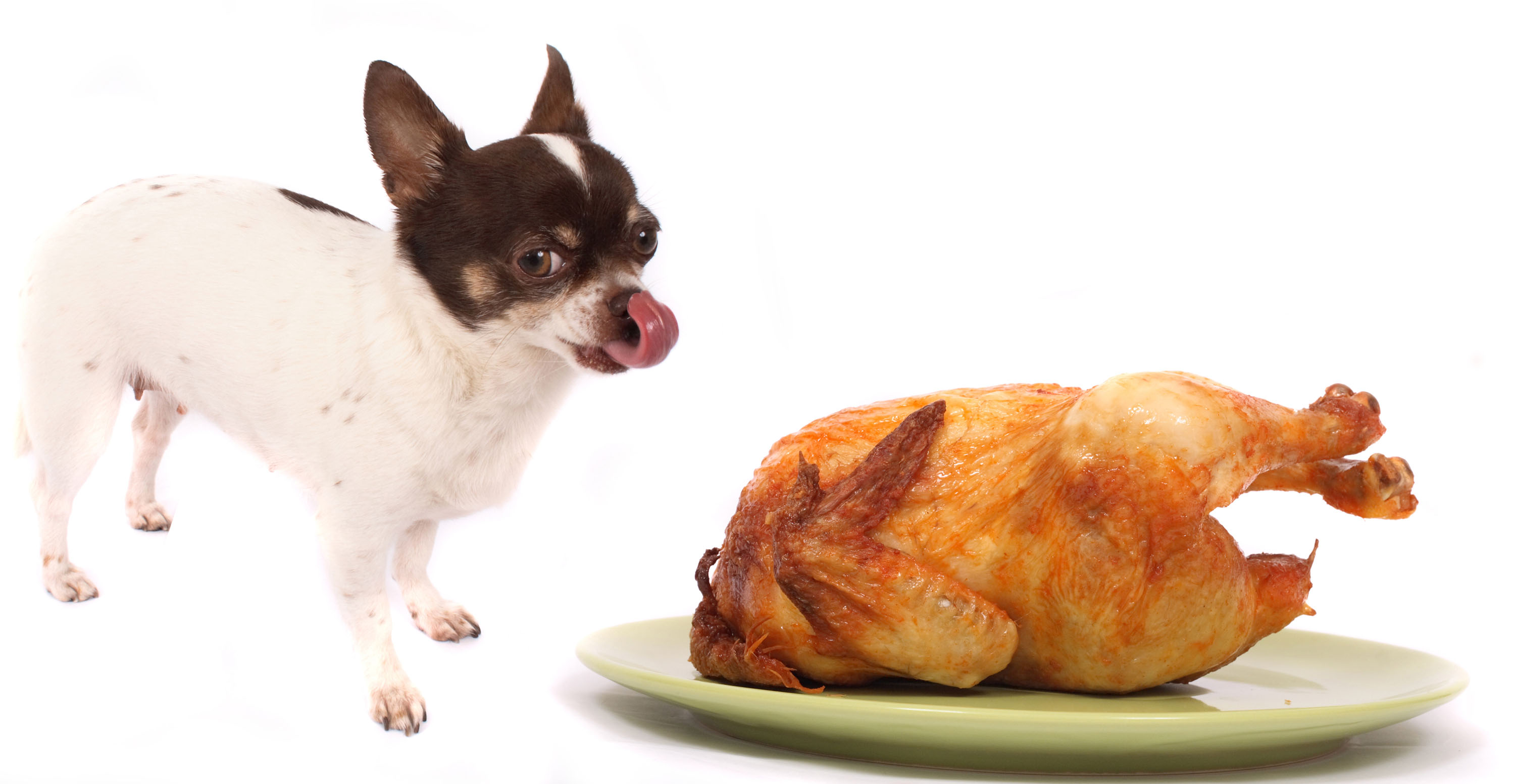


Thanksgiving is a wonderful holiday for people, but I sometimes wonder what our pets make of it. One day, the house is quiet and predictable. The next, there are 15 people in the living room, someone is yelling at the television, children are running through the house, and the kitchen smells like heaven. If you're a dog, you've probably decided this is the greatest day of your life. If you're a cat, you're likely wondering when everyone is leaving.
While we're busy preparing the feast, our pets are trying to make sense of all the excitement. Dogs may follow us from room to room, hoping something delicious will fall from the counter. After all, a smart dog knows that Thanksgiving is all about location, location, location — preferably somewhere between the kitchen counter and the dining room table.
Of course, not every dog loves company, and not every cat is antisocial. Some pets are social butterflies who enjoy the attention. Others would prefer to skip the festivities altogether. The trick is knowing which kind of pet you have and making sure Thanksgiving is enjoyable for them, too.
If your dog loves visitors, let him greet guests after the initial excitement has settled. If he's nervous around strangers, don't insist he participate. The same goes for cats. Just because your niece wants to hold Fluffy doesn't mean Fluffy wants to be held. Give pets a quiet room with their bed, water, and favorite toys where they can hang out for the day – or at least take a break.
Thanksgiving is practically an obstacle course of tempting foods. Turkey skin, gravy, buttery side dishes, and rich desserts can upset a pet's stomach and, in some cases, cause serious illness. Cooked bones can splinter, while onions, garlic, grapes, raisins, chocolate, and foods containing xylitol (also called birch sugar) can be toxic. If you want to share a little holiday cheer, offer a small piece of plain, boneless, skinless turkey or a spoonful of plain pumpkin – not pumpkin pie, but plain pumpkin with no sugar.
With guests coming and going, it's easy for a dog or cat to slip outside unnoticed. Remind visitors to close doors behind them and consider keeping pets in a separate room during the busiest arrivals and departures. Make sure identification tags and microchip information are current. Nobody wants to spend Thanksgiving searching the neighborhood for a missing pet.
Pets thrive on predictability, even when we don't. Try to maintain regular feeding times, walks, and play sessions. A good walk before guests arrive can help your dog settle down, while a little interactive play may help your cat work off some nervous energy.
And finally, remember that Thanksgiving is about gratitude. Our pets may not understand the holiday, but they certainly understand companionship, kindness, and the comfort of being part of a family.
They don't care if the turkey is dry, the rolls are burned, or Uncle Bob tells the same story for the third year in a row. They just want to be near the people they love. Of course, if you ask the dog, the secret to a happy Thanksgiving is being in the right place at the right time when someone drops a dinner roll.
Dear Cathy,
I enjoy reading your column. Regarding the fast-eating golden doodle puppy who swallows her kibble whole, I suggest soaking the kibble in water, running it through a food processor, stuffing a food dispensing toy and freezing it. Our certified behaviorist dog trainer suggested it, though for different reasons. It works wonders for our senior English lab.
— Leslie, East Meadow, New York
Dear Leslie,
Frozen food toys are an excellent way to slow down dogs that inhale their meals. Instead of finishing dinner in seconds, dogs must lick, nudge, and work to get the food out, which can make mealtime last much longer. It also turns an ordinary meal into an activity that engages a dog's brain. Licking and working to retrieve food can also be calming for some dogs, making mealtime more satisfying than just simply gulping down a bowl of kibble.
Slow-feeder bowls, snuffle mats, puzzle feeders, and food-dispensing toys can all encourage dogs to eat more slowly. The key is finding what works best for your dog. Some enjoy the challenge of a puzzle, while others prefer the simpler task of licking food from a stuffed toy. Just make sure the toy is appropriately sized, safe for your dog, and easy to clean.
_____
_____
========
(Cathy M. Rosenthal is a longtime animal advocate, author, columnist and pet expert who has more than 25 years in the animal welfare field. Send your pet questions, stories and tips to cathy@petpundit.com. Please include your name, city, and state. You can follow her @cathymrosenthal.)
©2026 Tribune Content Agency, LLC.
(c) 2026 DISTRIBUTED BY TRIBUNE MEDIA SERVICES, INC.







Comments